Casinos That Accept CashToCode in the UK
 Available in GB
Cashier availability and promotion terms are separate checks, while account limits, currencies and withdrawal rules also affect the payment route.
Table of Contents
- How a CashToCode Deposit Can Affect Casino Bonuses
- Deposit Limits, Account Currency and the Cashier
- How to Check Whether an Online Casino Accepts CashToCode
- CashToCode, Cards and UK Gambling Payment Rules
- CashToCode and Online Slot Play
- Other Ways to Fund an Online Casino Account
- What to Verify Before Choosing a Payment Route in 2026
- Why CashToCode May Not Be Available for Withdrawals
- Making a Deposit: Fees, Timing and Payment Checks
- CashToCode, GamStop and Account-Level Controls
How a CashToCode Deposit Can Affect Casino Bonuses
A casino may advertise a welcome offer while separately setting rules about which deposits qualify for it. Those are two different checks: whether CashToCode appears as an accepted payment method in the cashier, and whether a deposit made with it counts towards a particular bonus. Passing the first check does not settle the second.
That distinction matters when you compare casinos that advertise CashToCode alongside a bonus. A payment option can be available for funding an account without being eligible for every promotion. Conversely, bonus wording may permit a payment category while the cashier does not offer that route to your account. Treat the offer’s terms and the cashier’s current options as separate pieces of information, not as interchangeable promises.
Read the offer as a set of conditions
Before opting into a bonus, look for the terms that explain how a qualifying deposit is defined. Check whether the offer names eligible payment methods, excludes particular methods, or refers more generally to deposits made through selected routes. If CashToCode is not clearly addressed, do not infer eligibility from the fact that the casino accepts it—or from a general page promoting the bonus.
If you’re looking at UK casinos that accept CashtoCode in 2026, payout timing is one practical detail to consider. Use the information below as a reference when reviewing your options.
Payout speed: 1-3 business days The listed payout speed for x3bet is 1–3 business days, giving you a stated timeframe to consider.
Payout speed: 1-3 business days Britsino has a listed payout speed of 1–3 business days for you to factor into your choice.
Payout speed: 1-3 business days NightWin’s listed payout speed is 1–3 business days, a useful detail for your review.
Payout speed: 1-3 business days The listed payout speed at WinBeast is 1–3 business days, which you can keep in mind.
Payout speed: 1-3 business days Dieselwin has a listed payout speed of 1–3 business days for you to consider.
Payout speed: 1-3 business days Chanze’s listed payout speed is 1–3 business days, providing you with a stated timing detail.
Payout speed: 1-3 business days The listed payout speed for SlotoSport is 1–3 business days, a practical point for your comparison.
Payout speed: 1-3 business days BeOnBet has a listed payout speed of 1–3 business days for you to take into account.
Payout speed: 1-3 business days SpinFormula’s listed payout speed is 1–3 business days, giving you one concrete detail to review.
Payout speed: 1-3 business days The listed payout speed at NightLuck is 1–3 business days for you to consider.
The wording may also explain whether you need to activate an offer, whether it applies only to certain customers, and what happens if you make a deposit before opting in. These are questions for the specific promotion’s terms. A welcome offer, a reload offer and a separate promotional campaign can have different conditions at the same casino, so a rule you found on one offer should not be carried over to another.
A useful comparison is to record the answer for each promotion rather than each casino alone:
| Check | What to establish |
|---|---|
| Payment eligibility | Does the offer include CashToCode, exclude it, or leave the method unclear? |
| Activation | Must you opt in before depositing? |
| Deposit qualification | Does the wording define which deposits count? |
| Other conditions | Are there restrictions on games or on using the bonus balance? |
This is not a substitute for reading the full terms. It is a way to spot the condition that decides whether the payment route and the offer can be used together.
Payment method and bonus are separate decisions
The cashier answers a practical question: can you select a payment route for the transaction? Bonus terms answer a different one: does a qualifying deposit through that route meet the promotion’s rules? A site can therefore accept a payment method without allowing it for a bonus, or present a bonus without making every listed payment option eligible.
For CashToCode, the sensible approach is to look for an explicit statement in the offer terms before relying on a bonus. If the terms are ambiguous, ask the casino’s support team to confirm whether a CashToCode deposit qualifies for that named promotion, and keep the reply with the offer details. A broad answer about whether CashToCode is accepted does not necessarily confirm bonus eligibility.

This distinction also helps when comparing online casino bonuses associated with CashToCode. The most useful offer is not automatically the one with the largest headline. It is the one whose payment rules, activation requirements and other conditions match the way you intend to deposit and play. If the method is excluded, the headline value is beside the point.
E-wallet exclusions are offer-specific
Payment exclusions are not limited to CashToCode. A specialist casino review has reported that PayPal can be excluded from bonus eligibility, while Skrill and Neteller may also be excluded from promotions. These reports should not be treated as a rule for every casino or every offer: eligibility depends on the terms currently attached to the promotion.
The practical lesson is to check the named payment method against the named bonus, rather than assume that a familiar or widely available option qualifies. If you plan to use an e-wallet or CashToCode, verify the offer before depositing. If the terms list exclusions without naming your chosen method, ask for clarification rather than treating silence as approval.
- Check the offer terms for defined qualifying deposits
- Verify if an offer requires activation before depositing
- Confirm bonus eligibility with support if terms are ambiguous
- Infer eligibility from the fact that a casino accepts the method
- Assume a general promotion page confirms payment eligibility
- Carry over rules from one offer to another at the same casino
Compare the offer you can actually use
A bonus comparison should include more than its advertised amount. Note whether your intended CashToCode deposit qualifies, whether you must opt in, and what the terms say about eligible play. Then compare that usable offer with alternatives on the same basis. A promotion that fits your payment choice may be a better match than a larger one that excludes it; if you would need to change payment route solely to qualify, weigh that against your preference and the casino’s rules.
Do not assume that a bonus is available simply because a site mentions CashToCode and displays a promotion on the same page. Nor should a general payment-method list be read as confirmation that every offer accepts every method. The cashier and the promotion terms perform different jobs. Check both before committing to the offer. That is the useful comparison.
Deposit Limits, Account Currency and the Cashier
Before entering a deposit amount, check three separate details in the cashier: the minimum for the payment route you intend to use, the maximum permitted for that transaction, and any wider limits attached to your account. These figures answer different questions. A minimum tells you whether a small deposit will be accepted; a transaction maximum caps one payment; daily or monthly limits restrict the total across several payments.


Do not assume that a limit shown for one payment method applies to CashToCode or to any other route. Limits can differ by method and account status, and the amount available to you may not match a general figure quoted elsewhere. The cashier is the practical place to review the terms attached to your account before you submit a payment.
Check the minimum before choosing an amount
A specialist review places the minimum deposit at £10–£20, depending on the payment method. Treat that as a reported range, not a promise that a particular cashier will accept either amount. The minimum can be method-specific, and the figure displayed for one route does not establish the threshold for another.
If the amount you want to deposit is below the stated minimum, the transaction may be declined. If it is above the minimum, that alone does not mean it will go through: the payment may still exceed a transaction cap or an account-level limit. Read the amount field and any accompanying limit information together rather than relying on a single headline figure.
This matters when comparing payment routes. A lower minimum may suit you if you want to make a smaller deposit; a higher maximum may matter if you plan to deposit more at once. Neither is automatically better. The useful option is the one whose stated limits fit the amount and frequency you have in mind.
A specialist review places the minimum deposit at £10–£20, depending on the payment method, though this should be treated as a reported range rather than a guarantee for every cashier.
Separate transaction caps from account limits
A maximum per transaction applies to an individual deposit. A daily or monthly maximum concerns deposits over a broader period. The cashier may show these restrictions in different places, so check the amount field and the account’s payment or limit information before proceeding.
Maximum deposits can vary according to both payment method and account status. That means a figure seen before signing in may not describe the limit available to your account. If the cashier displays a lower cap than you expected, do not assume that splitting a deposit into several payments will solve the problem: a separate daily or monthly restriction may still apply.
Keep the distinction clear:
| Limit type | What it controls |
|---|---|
| Minimum deposit | The smallest amount accepted for the selected route |
| Per-transaction maximum | The largest amount allowed in one deposit |
| Daily or monthly maximum | The total that can be deposited over the stated period |
Use the cashier’s own wording when comparing these limits. A displayed cap may apply to the payment route, the account, or both. If the terms are unclear, pause and ask the casino’s support team to clarify the applicable limit before entering payment details. A guess is not a payment plan.
Confirm the account currency
Currency affects the amount that leaves your payment account and the amount credited to your casino balance. A specialist review reports GBP support, but you should confirm the account currency shown during registration or in the cashier before the first transaction. Do not infer it from the fact that a site is aimed at UK customers.
If your account is set to a different currency, a deposit may involve conversion. The amount you intend to spend and the amount ultimately credited could then differ. Check the displayed currency before approving the transaction, and make sure it matches the currency in which you expect to manage your balance. Changing the account currency later may not be straightforward, so this is worth settling before you deposit.

For CashToCode, the same practical rule applies: do not select an amount until the cashier shows the currency and limits that relate to the route being used. This does not establish that the method is available at a particular casino; it keeps the transaction checks separate from assumptions about availability.
A simple pre-deposit check is enough: confirm the currency, read the method-specific minimum, identify the per-transaction maximum, and look for any daily or monthly cap that applies to your account. If one of those details is missing or inconsistent, resolve it before proceeding. That is a better basis for choosing an amount than relying on a limit copied from another payment route.
How to Check Whether an Online Casino Accepts CashToCode
A payment logo on a general information page is not enough to establish that CashToCode is available for your account. Payment options can vary by country, account and cashier, and a page may describe methods that are not currently offered to every customer. To check whether you can use CashToCode, treat the casino’s live cashier as the deciding point.
Checking CashToCode Availability
Sign in to your account and access the deposit area to see options available specifically to you.
Look for the method by its explicit name rather than relying on broad labels like “alternative payments”.
Confirm the option is selectable and read any method-specific instructions provided in the cashier.
Pause to review the transaction details on screen before completing the process.
Start by signing in and opening the deposit area. Look through the methods shown for your account and check whether CashToCode is named explicitly. Similar wording or a payment category is not confirmation: the method should be identifiable before you proceed. If you cannot find it, do not assume that a route listed elsewhere on the site will work in the cashier.
Check availability in your account
Use this sequence to keep the check focused:
- Open the current cashier. A general payments page can provide background, but it may not reflect the options presented to you when logged in.
- Check the available deposit methods. Look for CashToCode by name rather than inferring support from a broad label such as “alternative payments”.
- Read any method-specific instructions. Confirm that the option is presented for your account and that the cashier lets you continue to the next stage.
- Pause before confirming. Review the method and transaction details on screen. If the displayed route differs from what you intended, stop and contact the casino’s customer support rather than guessing.
Cashier layouts differ, so the exact labels and order of steps may not match across sites. The useful criterion is explicit availability in your own account, not whether a payment method appears in a general description. A method being mentioned in a review or on another page is a lead to check, not proof that you can select it.
Ask support a precise question
If CashToCode is not visible, ask customer support whether it is currently available for deposits on your account. Include your country and ask them to confirm the option shown in the cashier, rather than asking only whether the casino “supports” it. That distinction can prevent a broad answer about the operator’s payment range from being mistaken for confirmation of account-level access.
A specialist payment review may list familiar methods such as Visa and Mastercard, but that does not confirm their current availability or eligibility for your particular account. The cashier remains the more relevant check for any named method. Keep the question narrow: you are checking whether CashToCode is available as a selectable deposit method, not requesting a general list of every payment route.
If support gives an answer that conflicts with the cashier, ask for clarification before trying another route. Save the response if useful, but do not treat an older message or saved page as more current than the options displayed in your account.

The practical test is simple: CashToCode should appear clearly in the live deposit cashier, with instructions that match the route you intend to use. If that confirmation is missing, pause. A guess is not a payment method.
CashToCode, Cards and UK Gambling Payment Rules
A reference to a “CashToCode card” does not, by itself, show that a UK casino accepts CashToCode as a payment route. The word card can make two different things sound interchangeable: a casino’s named CashToCode option and a debit-card payment made using Visa or Mastercard. They are not proof of one another. Acceptance depends on the payment methods the casino makes available and the eligibility rules shown for your account and card product.
That distinction matters when you see Visa or Mastercard listed in a specialist review. Such a list may identify card brands, but it cannot establish that every UK customer can use every product bearing those brands, or that a CashToCode-branded route is supported. Card availability can change, and an operator may apply conditions to particular card products. Treat the cashier’s current options as the relevant information, not a label on a general payment page.
Credit Card Ban
Credit-card payments for gambling are prohibited at UK-licensed casinos; this ban applies regardless of the payment route or card brand used.
Debit cards and credit cards are treated differently
UK casinos commonly accept debit cards, including Visa and Mastercard. A debit card draws on funds in a bank account; a credit card provides borrowing. The brand name alone does not tell you which kind of card you hold, so check the product details issued by your bank.
Credit-card payments for gambling are prohibited at UK-licensed casinos. The regulator introduced the ban on 14 April 2020, and it remains in force. A credit card cannot be made acceptable by choosing a casino that lists Visa or Mastercard, nor by describing the transaction as a CashToCode payment. The rule applies to gambling payments, not merely to a particular card brand.
Remote gambling licensees also cannot accept credit-card funds routed through a money service business. Wallet payments are not an alternative where the wallet allows credit-card funds to be used for gambling. In practical terms, changing the route does not change the source of the money. A payment path should not be treated as a workaround for a restriction.
For a debit card, the relevant question is narrower: does the cashier currently accept that card product for your account? A brand may appear in a general list while a particular card is unsupported. If CashToCode is mentioned separately, that still does not confirm that the casino accepts a CashToCode card, CashToCode payments, or a debit card linked to the service. The names may appear close together; the eligibility rules decide.

This is why searches for casinos accepting CashToCode cards can lead to ambiguous descriptions. A page may use “card” loosely, or list familiar card brands without explaining whether CashToCode itself is available. Do not infer acceptance from wording alone. Look for the exact method in the live cashier and read any conditions attached to it before proceeding.
The practical comparison is simple: a debit card may be eligible if the cashier permits that card product; a credit card is not an eligible gambling payment at a UK-licensed casino. CashToCode references require their own confirmation and cannot override either distinction. A label is not a payment route.
CashToCode and Online Slot Play
A payment method and a slot catalogue answer different questions. CashToCode being mentioned alongside online slots does not establish that a particular casino accepts it, nor does it tell you which games the casino offers. A game list cannot confirm cashier compatibility, and a payment label cannot confirm that a specific slot is available.
If you are comparing sites for mobile slot play, assess the details separately: whether the current cashier offers the payment route you need, and whether the games and controls suit your preferences. Do not treat a page describing slots, a bonus or a new casino as proof that CashToCode can be used there. Availability needs to be confirmed at the casino itself. No shortcut there.
UK Online Slot Rules
- Autoplay is banned; every spin must be started manually
- Each spin must last at least 2.5 seconds
- Maximum stakes are £5 for players 25+ and £2 for players 18-24
The rules governing online slots in Britain apply regardless of how an account is funded. Autoplay is banned, so a slot cannot run a sequence of spins automatically. You must start each spin yourself. Each online slot spin must also last at least 2.5 seconds. That affects the pace of play: a site cannot offer an option to make spins run faster than the permitted minimum or remove the need for your input.
There are also maximum stake limits per game cycle. For customers aged 25 and over, the limit is £5; for customers aged 18 to 24, it is £2. These are limits on the stake, not a statement about how much you might win or how long a game will take. If a slot’s settings display a stake above the applicable limit, do not assume that a CashToCode deposit changes the rule. It does not.
When reviewing a slot page, look for the controls and information that affect the actual play experience: the stake selection, how a spin is started, and whether the game permits autoplay. In Britain, the autoplay restriction means that an autoplay button should not be part of online slot play. The minimum spin duration is another useful point of comparison, but it is a legal floor, not a recommended pace or a promise that every game feels the same.
Searches for CashToCode casinos and games can make payment availability, mobile access, bonuses and game choice seem like one combined feature. They are not. A casino may describe its slots without confirming CashToCode in its cashier; a payment option, where available, does not identify the games you can play. Check those criteria independently before making a decision.

For a clearer comparison, note the payment route, the mobile experience and the slot controls as separate columns. That makes it easier to see which site, if any, meets your particular needs without mistaking a payment claim for a game recommendation. The winner depends on your criterion.
Other Ways to Fund an Online Casino Account
If CashToCode is not available in a casino’s cashier, compare alternatives by what you need the payment route to do: make a deposit, receive a withdrawal, or both. There is no single best substitute for every player. The useful comparison is the method’s role, its availability at the casino and any conditions attached to it.
Bank transfers and open banking
Bank transfers and open banking are options to consider when you want to move funds directly from a bank account. A specialist review describes these services as offering instant deposits and fast withdrawals at many sites, but that is not a guarantee for every casino or transaction. Check the cashier’s stated options and the operator’s payment terms before choosing this route.
The practical distinction is that a bank-linked method may support both directions, while a deposit method may not. Confirm whether the specific service shown in the cashier can also be used for payouts; do not infer withdrawal support from a deposit button.
Debit cards
Debit cards are a familiar alternative: UK casinos commonly accept Visa and Mastercard debit cards. They draw on funds in your bank account rather than providing credit, but acceptance can depend on the casino and the card product. Look at the live cashier rather than relying on a general list of payment brands.
Directly move funds from a bank account; may support both deposits and withdrawals.
Commonly accepted Visa and Mastercard products that draw funds directly from a bank account.
Deposit-only options, such as Paysafecard, that cannot be used to receive withdrawals.
Services like Skrill and Neteller, which may be excluded from certain casino promotions.
A card can be a straightforward choice if you already use it for banking and the casino supports it for the transaction you intend to make. The name on the casino account and the payment route should also match, helping avoid preventable ownership checks. Credit-card payments for gambling are not an alternative at UK-licensed casinos.
Prepaid vouchers
Paysafecard is a prepaid voucher for deposits. Its role is narrow: it is deposit-only, so it should not be chosen on the assumption that it can receive a withdrawal. If you want one method for both paying in and cashing out, this limitation matters more than the convenience of having a voucher.
Treat it as a way to fund an account, not as a complete payment cycle. A separate payout route may be needed, and the casino may require additional checks when processing funds through another method.
E-wallets
Skrill and Neteller are offered at some casinos. A specialist review reports that these e-wallets are often excluded from promotions, but the terms of each offer decide whether a particular payment qualifies. Their presence in a cashier does not settle bonus eligibility.

Before using an e-wallet, check that the casino accepts it and that its funding source complies with UK gambling rules: remote gambling operators cannot accept wallet payments where credit-card funds can be used for gambling.
For an alternative to CashToCode, the better fit depends on your priority. A debit card may suit familiar bank-account payments; an e-wallet may suit someone who already uses that service; a voucher is deposit-only; and a bank-linked option may support both directions where the casino offers it. Compare those roles, not just the names in a payment menu.
What to Verify Before Choosing a Payment Route in 2026
A payment option appearing in a general list does not establish that it will work for your account, or for both directions of a transaction. If you are considering CashToCode, check the casino’s current cashier while signed in rather than relying on a brand name or an old payment-method page. Availability can depend on the operator’s current settings and your account.
Payment Route Verification
- Confirm the method is selectable in your signed-in cashier
- Verify if the method supports both deposits and withdrawals
- Ensure account name matches the payment instrument ownership
- Check the operator’s licence on the UK Gambling Commission register
Use this checklist before choosing:
- Can you select it for a deposit? Look for the payment route among the options shown in your own cashier. A mention elsewhere on the site is not confirmation that it is currently available to you.
- Can it also receive withdrawals? Check the cashier’s withdrawal options and the payment terms. A method that accepts deposits may not be available for payouts, so confirm both functions before committing to it.
- Whose name is attached to the route? Compare the details on your casino account with the ownership details for the payment account or instrument. Matching customer information can prevent basic ownership discrepancies from complicating a transaction.
- What happens if the original route cannot receive a payout? Casinos may send funds back through the source used to deposit, as part of anti-fraud and anti-money-laundering controls. If another route is needed, expect the casino to ask for further checks before using it.
- Is the operator authorised for Great Britain? Check the casino’s licence number on the UK Gambling Commission’s public register before depositing. A payment brand does not establish that the casino is licensed.
The simplest arrangement is often one payment account, in your own name, used consistently for deposits and withdrawals. That does not guarantee that every transaction will be approved, but it keeps the basic ownership details aligned. Switching between accounts belonging to different people, or supplying details that do not match, can create avoidable questions.
Treat “CashToCode deposit” and “CashToCode withdrawals” as separate compatibility checks. Do not assume that a route described as a card, voucher or other payment product has the same treatment in every casino cashier. The displayed option and the operator’s current terms are the practical tests; a general description cannot settle account-specific eligibility.
Before you proceed, make sure you understand which named account will fund the transaction, whether that same route can be used for a payout, and what verification may apply if the casino needs to use an alternative. If any of those points is unclear, ask the operator before sending money. A little checking beats a payment mismatch.
Why CashToCode May Not Be Available for Withdrawals
A payment route that works for a deposit does not automatically work for a payout. The cashier may accept CashToCode when you add money but offer no way to send winnings back through it. Deposit and withdrawal functions are separate; the name of a method on a deposit screen is not evidence that it supports both.

UK anti-money laundering rules generally require a casino to return funds to the original payment source. This closed-loop approach helps operators check where money came from and where it goes. If CashToCode is not available for payouts, the casino may direct a withdrawal to another payment route linked to your account, subject to its rules and any further checks. That alternative is not guaranteed to be available simply because you used CashToCode to deposit.
Before you pay, look for separate cashier information on deposits and withdrawals. Check whether CashToCode is listed for each function, and read the operator’s withdrawal terms for instructions if the original source cannot receive a payout. A general payment-method page may describe deposits without confirming the withdrawal route. Small distinction, significant consequence.
Payout timing is also separate from deposit availability. A deposit can be accepted while a withdrawal remains pending review. A specialist review notes that processing can include the casino’s internal approval and that a first withdrawal may take longer while verification is completed. Treat that as a description of possible processing, not a promise about a particular operator or payment method.
KYC status matters: withdrawal speed depends partly on whether your account is fully verified and on the casino’s approval process. If documents or account details need checking, the payment may not be released immediately, even if the deposit went through without delay. Check what verification is required and whether it has been completed before relying on an advertised withdrawal estimate.
Attention A payment route that works for a deposit does not automatically work for a payout, as deposit and withdrawal functions are separate.
If a casino does not offer CashToCode withdrawals, that alone does not establish that the casino is unlicensed. Equally, a payment method cannot establish that a site is authorised to serve British customers. Remote gambling licensees selling into Great Britain must hold the relevant UK Gambling Commission licence. Keep the two checks distinct: confirm the site’s regulatory status, then confirm the cashier’s actual payout route.
Making a Deposit: Fees, Timing and Payment Checks
A deposit amount is not the whole cost of using a payment route. Before confirming a CashToCode transaction, check whether the casino applies a charge and whether the provider adds one. Your bank or card issuer may also charge a fee. If the payment involves currency conversion, compare the exchange rate as well as any stated fee: the spread can make the final cost higher than a visible flat charge. Network fees may apply to some routes too.

A specialist payment review identifies these as possible parts of the total cost; they do not necessarily apply to every transaction. Compare the amount that will leave your account with the amount credited to the casino balance. There is no universally cheapest method: the result depends on the casino’s charges, your provider’s terms, currency conversion and any network cost.
Timing needs the same practical check. A specialist payment review notes that a card deposit may arrive instantly even when a payout takes several business days. A quick deposit therefore tells you little about withdrawal speed. The casino’s own approval process and any account checks can add time before a payout is sent.
Bank transfers have different timing variables. A specialist payment review points to cut-off times, weekends and currency conversion as factors that can affect delivery. If you are comparing a transfer with a CashToCode deposit, look at the expected processing stages and total cost for the specific route, not just the moment the cashier confirms the deposit.
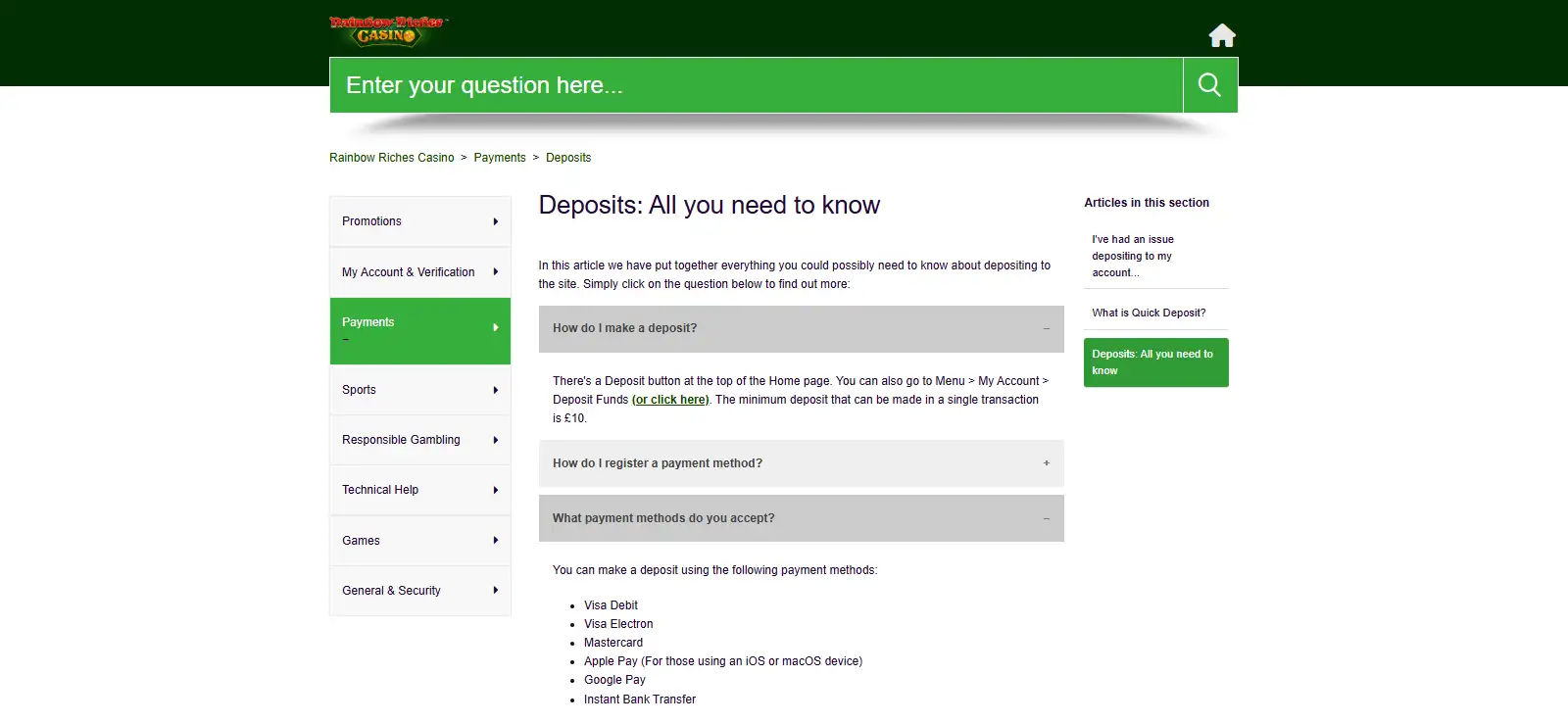
Before paying, read the amount shown on the confirmation screen and check for a provider prompt that changes the total. Keep the transaction record in case the credited balance does not match the payment. If the displayed fee, conversion rate or expected timing is unclear, pause and check the cashier’s terms or ask the provider before authorising the transaction. Small print matters.
CashToCode, GamStop and Account-Level Controls
A CashToCode option does not tell you whether a casino is connected to GamStop, and its presence is not evidence that a site is outside the scheme. A payment method handles a transaction; it does not establish a casino’s self-exclusion status or change account-level restrictions. Treat claims about CashToCode casinos “not on GamStop” with care, and do not use a different payment route to try to get around a self-exclusion decision.
For a UK-facing casino, check the operator’s current UK Gambling Commission licence and the self-exclusion tools available in your account. UK-licensed casinos must provide responsible-gambling tools, including self-exclusion. If you need to restrict access, use those controls and seek support rather than looking for another way to deposit.

Account limits are another practical safeguard. Remote operators must ask new customers to set a financial limit before their first deposit, and they must make account-level limit controls accessible. Review the controls before you fund the account: a payment option is not a substitute for setting a limit that suits your circumstances. If you have already set one, check the account settings rather than assuming a CashToCode transaction changes it.
The useful comparison is therefore not “CashToCode versus GamStop”. It is whether the operator’s licence, self-exclusion arrangements and account controls match what you need. GamStop-related wording on a payment page should not settle that question. Confirm the casino’s own terms and account information, and do not interpret an available deposit method as permission to play.
If you are self-excluded, pause before opening or funding another account. Payment compatibility is not a safeguard against gambling harm, and changing the route does not resolve the reason you chose to self-exclude. A clear boundary matters more.
Why must withdrawals return to the deposit method?
Returning funds to the original payment source is a common anti-fraud and anti-money-laundering control. Using another route may require extra verification.
What is the fastest withdrawal method for UK casinos?
PayPal, open banking services and debit cards linked to fast payout systems are generally among the quickest options. Casino approval and account verification also affect how soon you receive the money.
Which method has the lowest fees?
There is no universally cheapest method. Compare casino and provider charges, any bank or issuer fees, currency conversion spreads and network costs for the amount you plan to move.
Which payment methods are accepted in Great Britain?
UK casinos commonly accept Visa and Mastercard debit cards, and many sites also offer PayPal, bank transfers, open banking, Skrill or Neteller. Paysafecard is for deposits only; check the cashier for methods currently available to you.
Do UK casino withdrawals require verification?
Yes, casinos may need to verify your account before approving a withdrawal, and checks can take longer on a first payout. Keeping your account and payment details in your own name can help avoid basic ownership issues.
Why can a fast payout casino still delay my withdrawal?
A casino still needs to approve the withdrawal, and processing may take longer if your account has not been fully verified. A quick payment method does not remove those steps.
Are fast casino withdrawals guaranteed?
No. The payout time depends on the casino’s approval process and whether your account is fully verified.
Written by the editors at Rainbow Riches Casino 1.